Key takeaways
- Gas gives instant heat and fine control, and electric gives even, steady heat.
- Gas dryers need a gas line and an outside vent, and electric dryers need a 240-volt circuit.
- Switching fuel type can need new piping or a new circuit.
- If you smell gas, leave and call from outside.
Cooking with gas or electric
Gas ranges give instant heat and visible flame control, which many cooks prefer for stovetop work. Electric ranges, including smooth tops and induction, give steady heat and an even oven. Induction is fast and precise and needs compatible cookware.
The best choice depends on how you cook and what your kitchen already has.
Gas and electric dryers
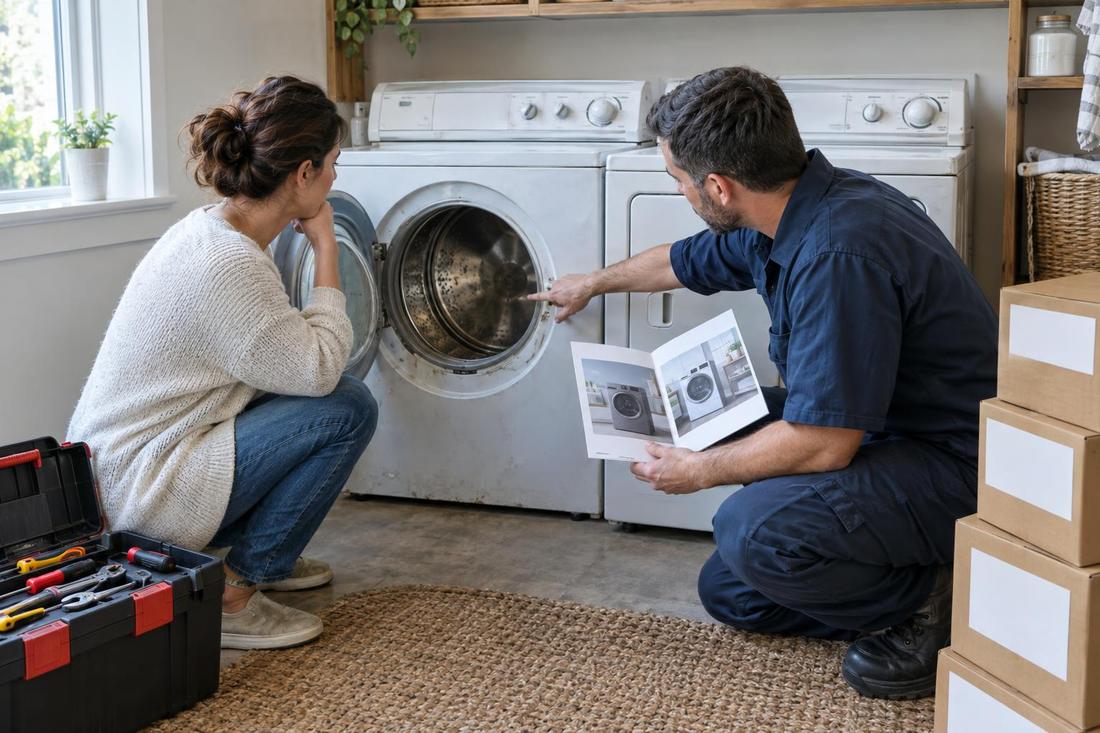
Gas dryers heat with a burner and often dry faster, while electric dryers use a heating element and need a 240-volt circuit. Both need a vent to the outside, and both need the vent kept clear.
Check which connection your laundry room has before you shop.
Safety and installation
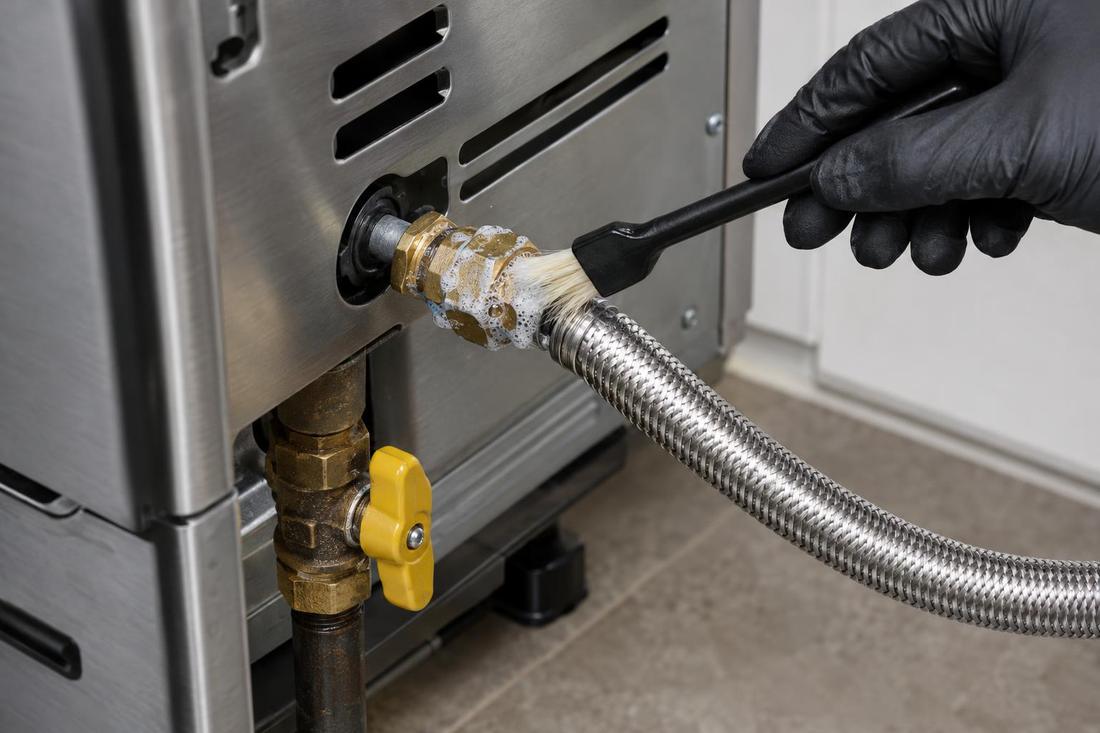
Gas appliances need a proper connection, a shutoff valve and a leak check. Electric appliances need the right circuit, outlet and cord. A mistake with either can be dangerous, so use a qualified installer for new gas lines or new circuits.
A new connector is part of a proper gas install.
Switching from one to the other
Changing from gas to electric usually needs a new outlet and circuit. Changing from electric to gas needs a gas line and a shutoff. Both can add time and expense, so plan for them before you buy.
We can tell you what to expect after we look at the connections.
Official sources and further reading
These are independent organizations. Links open in a new tab.
Quick answers
Is gas safe in a kitchen?
When installed and maintained properly, gas appliances are widely used. Keep burners clean, use the vent and know what to do if you smell gas.
Do I need a carbon monoxide alarm?
Safety groups recommend carbon monoxide alarms in homes with fuel-burning appliances. Check the placement guidance for your home.